
Message from the program director
Dear applicants,
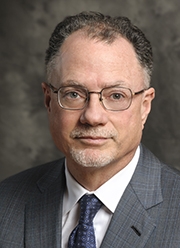 Thank you for considering being a part of our team. The fellowship at NYP/Columbia/Cornell offers one of the strongest abdominal organ transplant surgical training programs in the world. We offer exceptionally robust training in liver, kidney, and pancreas transplant as well as multi-organ procurement and hepatobiliary surgery. Our clinical program covers the largest liver and kidney transplant programs in New York, and we have proven our commitment to fellowship training over the last 25+ years.
The fellowship program is among the most balanced training programs with fantastic opportunities in liver transplantation, living donor liver transplantation, kidney transplantation, living donor nephrectomy, hepatobiliary surgery, ex-vivo surgical oncology, pediatric and multivisceral transplantation, and pancreas transplantation. The training program is certified through the American Society of Transplant Surgeons (ASTS) in Liver/Kidney and HB surgery. We will provide financial support for any associated costs of licensing and credentialing. There are no senior residents or HPB fellows or Surgical oncology fellows on the service to diminish the training of the fellows.
We look forward to receiving your applications and meeting you on the interview trail.
Dr. Jean Emond
Our Location
Transplant Surgery Fellowship
PH 14 Center Room 202
622 West 168th St.
New York, NY 10032
Phone: 212-305-4199
Fax: 212-305-8710
Get Maps & Directions »