
Center for Advanced Lung Disease and Transplantation

The Center for Advanced Lung Disease and Transplantation at Columbia was created to give those in need access to the highest-quality care from the leaders in the field of advanced lung disease. We offer:
- Experience: We have more transplant experience than other programs, better results than the national average, and access to all the resources of NewYork-Presbyterian, one of the nation's top hospital systems. When other programs can't handle the complexity of a case, they send them to us.
- Innovation: We are constantly working on new advances to improve your care, including less-invasive surgeries, more effective medications to prevent rejection, and organ-preserving techniques that will allow us to offer even better results and treat more people in need.
- A Team You Can Trust: if you need a lung transplant, you don't just need doctors; you need people you can trust and rely on, who can answer your questions any time, and who can offer you support in any form you need it. We're confident we can earn your trust with our commitment to respect, communication, and transparency.
Whether it's an initial evaluation, diagnosis, treatment, or a second opinion, our center is here for you. Call (212) 305-7771 or complete our online application form to get started today.
Stories & Perspectives
From NYP's Health Matters: New York's First Heart-Lung-Liver Transplant Recipient Reflects on Her Second Chance at Life
Nadine hadn’t envisioned that she’d be celebrating her milestone birthday from a hospital bed, but suffering from pulmonary arterial hypertension, heart failure, and congestive liver cirrhosis, she was hospitalized as she waited for a triple-organ transplant.
Who We Treat
We diagnose and treat patients with all forms of advanced lung disease, from the most common causes to the most rare and complex. We also care for patients in need of multiorgan transplants, redo lung transplants, and double lung transplants.
Our multidisciplinary team also provides treatment for patients with acute respiratory failure. We pioneered the use of extracorporeal membrane oxygenation (ECMO)—temporary support of the lungs using a bypass machine—to help patients in crisis. ECMO may be used to stabilize patients with ARDS (Acute Respiratory Distress Syndrome) and as a bridge to lung transplant.
We are also the only ECMO center in the region to provide ECMO transport, allowing us to stabilize and transport the sickest patients to our facility for critical care management and surgery. And our center is one of a handful of ECMO Platinum Centers of Excellence in the nation.
Conditions We Treat
- Cystic Fibrosis
- Emphysema and Chronic Obstructive Pulmonary Disease (COPD)
- Interstitial Lung Disease and Pulmonary Fibrosis
- Pulmonary Hypertension
Treatments We Offer
Stories & Perspectives
A Brief Look at the Evolution of Lung Transplantation at Columbia
The Lung Transplant Program has continuously set the standard for innovation and excellence, from pioneering ECMO as a bridge to transplant to becoming a national leader in addressing the emerging need for post-COVID lung transplants, saving thousands of lives along the way. Read More »
Program Highlights
Exceptional Care From a National Leader in Transplantation
For people with advanced lung diseases like cystic fibrosis, emphysema, and interstitial lung disease, highly skilled care is a necessity. Columbia is the premier center in the northeast for lung failure treatment and lung transplantation.
Outstanding Outcomes
The three-year survival rate for our transplant patients is 81%–well above the national average of 69%–all while providing care for the most complex cases.
Expanding Access to Transplant Through Innovation
We are constantly developing new methods to replenish and repair lungs previously considered unsuitable for transplant. These discoveries have the potential to greatly increase the number of donor organs available in the future.
Improved Organ Preservation
We are pioneering the use of 10-degree cold static perfusion to preserve lungs for transplantation, allowing us to schedule and optimize transplant surgeries for the best results.
A Platinum Center of Excellence for ECMO
Our Extracorporeal Life Support program has received the Platinum Level ELSO Award for Excellence, recognizing distinguished programs worldwide that provide exceptional care.
Stories & Perspectives
- State of the Union: Lung Transplant
- Tim Sweeney’s Story: From Lung Transplant to the NYC Marathon »
- Lung Transplant Saves Orla Tinsley, Cystic Fibrosis Activist »
Our Team
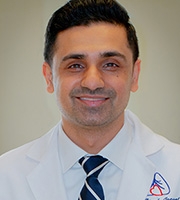
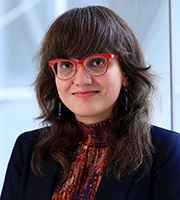
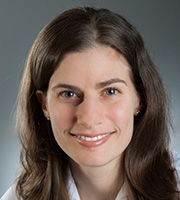
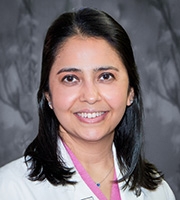
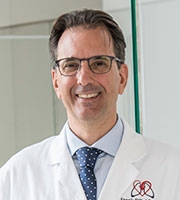
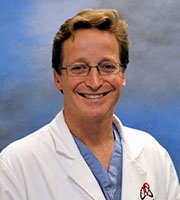
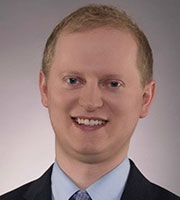
Our team is made of experts in a variety of areas, including surgery, medicine, physical therapy, social work and more, coming together to cover every aspect of your care. Call (212) 305-7771 or fill out our online form to meet our team and learn more.
Lung Transplant Pulmonologists

Selim Arcasoy, MD, MPH | Medical Program Director


Lung Transplant Surgery Team

Philippe LeMaitre, MD, PhD | Surgical Program Director
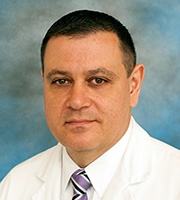
Joseph Costa, PA-C, PhD | Lung transplant procurement team
Looking for a Transplant Surgeon?
Our “I need a” series is a helpful guide to finding the care you need when you don’t know where to start. Today, we’re learning how to find a transplant surgeon.
Visit our 'I Need a… Transplant Surgeon' guide »
Our Locations
We are located on the campus of the Columbia University Irving Medical Center in the Washington Heights area of Manhattan. We also offer evaluations and follow up care at our New Jersey office in Glen Rock.
Center for Advanced Lung Disease and Lung Transplantation Program
NewYork-Presbyterian/Columbia University Medical Center
Presbyterian Hospital Building, 14th Floor
622 West 168th Street
New York, NY 10032
Get Maps & Directions »
425 E. 61st Street, 4th Floor, Suite 402
New York, NY 10065
Get Maps & Directions »
ColumbiaDoctors Midtown
51 West 51st Street, Suite 360
New York, NY 10019
Get Maps & Directions »
NewYork-Presbyterian The One
1111 Westchester Ave
White Plains, NY 10604
Get Maps & Directions »
515 6th Street
Brooklyn, NY 11215
Get Maps & Directions »
Garnett Health Medical Center
707 East Main Street, 4th Floor
Middletown, NY 10940
Get Maps & Directions »
Columbia Lung and Esophageal Center of New Jersey
85 Harristown Road, #101
Glen Rock, NJ 07452
Get Maps & Directions »
1 Springfield Avenue, 3rd Floor
Summit, NJ 07901
Get Maps & Directions »
Make an Appointment
To make an appointment with the Center for Advanced Lung Disease and Transplantation, please call us at (212) 305-7771 or complete our online application form. We accept a number of insurance plans, and our team can help confirm your coverage.
- Provider Referral Letter for Lung Transplant »
- Medical Record Fax | (212) 342-5382
- Pulmonary Function Office | (212) 305-3357
- Pulmonary Rehabilitation Office | (212) 305-0483
- Lung Failure Office | (212) 305-5501
- Emergency transfers by referring physicians | 1-800-NYP-STAT
Stories & Perspectives
- Patient Successfully Receives First Combined COVID Lung Transplant and Triple Bypass »
- 25 Years After Heart and Double Lung Transplant—Sean Recounts His Surgery During the Blizzard of ‘93 »
Resources & Guides
We’ve put together the following guides to help you and your family prepare for what to expect regarding follow-up visits, medications, and other lifestyle issues after receiving your lung transplant. Whether you still have questions or you’re ready to make an appointment, call us at (212) 305-7771 or fill out our online form for anything else you need.
- Patient and Family Guide to Lung Transplant Success
- Four Steps to Successful Transplantation
- Pre-Transplant Evaluation
- Waiting for Transplantation
- Lung Transplant Surgery
- Post-Transplant Recovery
- Life After Transplantation
- Follow-Up Care
- Exercise Program
- Staying in Touch with Your Transplant Team
- Immunosuppression and Organ Rejection
- Infections
- Post-Transplant Medications
- Nutritional Management After Transplantation
- Support Services
For even more information and to meet others who have been through our program, learn about our Lung Transplant Patient Education Seminars.